
Monday 9 February 2026 12:00
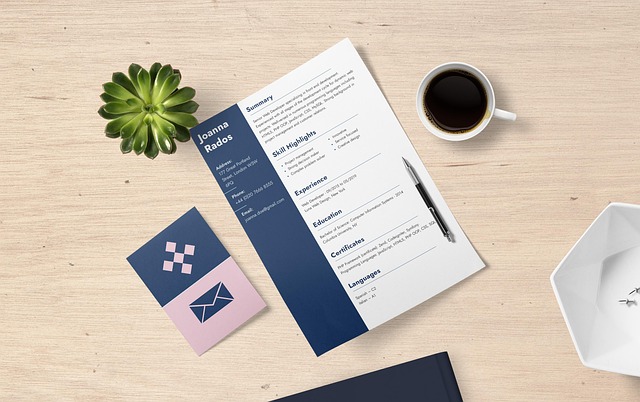
In today’s competitive job market, a well‑crafted resume is your first chance to make a strong impression. Using proven resume examples helps you understand the structure, language, and visual layout that recruiters expect. By studying real‑world templates, you can tailor your own document to highlight achievements, skills, and experience in a way that stands out.
The chronological format is the most widely accepted style. It lists work history in reverse‑chronological order, emphasizing career progression.
Header: John Doe | Marketing Manager | johndoe@email.com | (555) 123‑4567
Professional Summary: Dynamic marketing professional with 7+ years of experience driving brand growth and digital campaigns for Fortune 500 companies.
Experience:
Education: B.A. in Business Administration, State University, 2015
The functional layout focuses on skills and achievements rather than dates, ideal for career changers or those with employment gaps.
Header: Maria Lopez | Project Coordinator | maria.lopez@email.com | (555) 987‑6543
Core Competencies:
Professional Highlights:
Relevant Experience: (Dates omitted to de‑emphasize chronology)
The combination format merges the best of both worlds—showcasing key skills while still providing a clear employment timeline.
Header: David Kim | Software Engineer | david.kim@email.com | (555) 321‑0987
Technical Skills: Java, Python, React, AWS, Docker, CI/CD pipelines.
Professional Experience:
Education: M.S. Computer Science, Innovation Institute, 2017
1. Customize, don’t copy. Replace placeholder text with your own achievements and metrics.
2. Use action verbs. Words like led, optimized, launched convey impact.
3. Keep formatting clean. Consistent fonts, bullet points, and spacing improve readability.
By selecting the right work resume example and adapting it to your career story, you’ll create a document that not only passes Applicant Tracking Systems but also captures the attention of hiring managers.
**