

Friday 26 June 2026 00:01
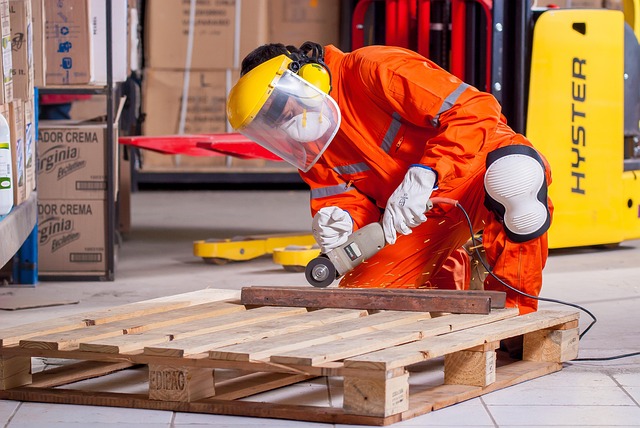
When it comes to on‑the‑job safety, work knee pads are as crucial as helmets and gloves. Whether you’re a carpenter, electrician, landscaper, or warehouse worker, the right knee protection can prevent painful injuries, improve productivity, and extend the life of your tools. In this article we’ll explore the key features to look for, the benefits of proper knee padding, and how to choose the best pair for your specific tasks.
Every day, millions of workers spend hours kneeling on hard surfaces—concrete, wood, or uneven ground. Repeated pressure on the knee joint can lead to bruises, bursitis, or chronic knee pain. By providing a cushioned barrier, knee pads reduce the impact forces and distribute weight more evenly, protecting the patella and surrounding soft tissue.
1. Impact Absorption: Look for pads made from high‑density foam or gel that can absorb shocks from heavy tools or falling objects. Dual‑density foam offers a soft outer layer and a firmer inner core for optimal protection.
2. Adjustable Straps: Secure, adjustable straps ensure the pads stay in place during dynamic movements. Velcro closures are common, but some models feature quick‑release buckles for easy removal.
3. Slip‑Resistant Design: A textured or rubberized exterior prevents the pads from sliding off the knees, especially when working on smooth surfaces.
4. Durability: Reinforced stitching and abrasion‑resistant covers extend the lifespan of the pads, even in harsh environments.
Beyond injury prevention, work knee pads boost efficiency. Comfort reduces fatigue, allowing workers to stay focused longer and complete tasks faster. Additionally, many employers now consider knee protection a compliance requirement, meaning that using certified pads can help meet occupational safety regulations.
Carpenters and electricians often prefer lightweight pads with a low profile to avoid interference when climbing ladders. Landscapers and gardeners may need waterproof, mud‑resistant covers for outdoor conditions. For heavy‑duty roles like construction or demolition, opt for thick, reinforced pads with extra padding around the knee cap.
- Clean regularly: Wipe down pads with mild soap and water to remove dirt and sweat. - Inspect for wear: Replace pads if the foam compresses or the straps fray. - Store properly: Keep pads in a dry, cool place to prevent material degradation.
Investing in high‑quality work knee pads is a simple yet effective way to protect your most valuable asset—your health. By selecting pads with proper impact absorption, secure straps, and durable construction, you can work confidently, reduce downtime, and comply with safety standards. Remember, a comfortable knee means a more productive day on the job.
**