

Friday 22 May 2026 12:00
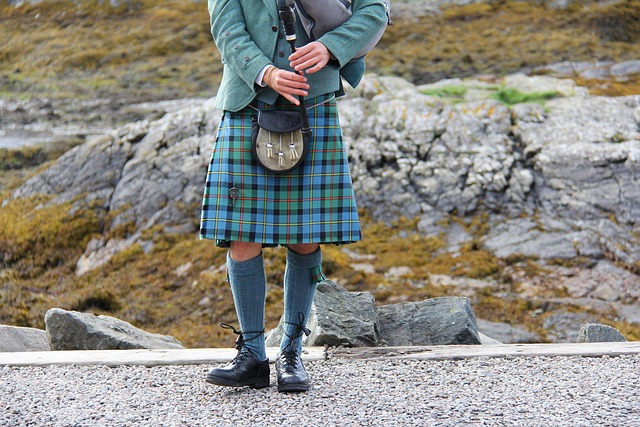
In recent years, the work kilt has moved from the highlands of Scotland into modern workplaces worldwide. Companies are discovering that this unique garment offers practical benefits while honoring a rich cultural heritage. From construction sites to creative studios, the work kilt is proving to be a versatile alternative to traditional trousers.
Freedom of movement: The pleated design allows for a full range of motion, making it easier to climb ladders, squat, or lift heavy objects without the restriction of a seam.
Temperature regulation: The open‑folded style provides natural ventilation, keeping workers cooler in hot environments while still offering enough coverage for modesty.
Safety compliance: Modern work kilts are crafted from flame‑resistant, high‑visibility fabrics that meet OSHA and ANSI standards. Some models even feature reinforced panels in high‑risk zones.
When selecting a work kilt, consider the following factors:
• Construction: Workers report less fatigue and fewer trips caused by tangled pant legs.
• Manufacturing: The kilt’s breathable fabric reduces heat stress during long shifts on the assembly line.
• Creative fields: Designers and artists appreciate the kilt’s stylish appearance, which adds a touch of personality to the workplace.
Start with a pilot program: provide a small group of employees with a sample of the work kilt and gather feedback on comfort, safety, and performance. Use the data to refine your uniform policy and highlight success stories in internal communications. Offering a choice between traditional trousers and the work kilt can boost morale and encourage adoption.
The work kilt is more than a novelty; it is a functional, safe, and culturally resonant piece of workwear that meets the demands of modern jobs. By embracing this innovative garment, businesses can improve employee comfort, enhance safety compliance, and celebrate a unique piece of heritage—all while staying ahead of the curve in workplace attire.
**